




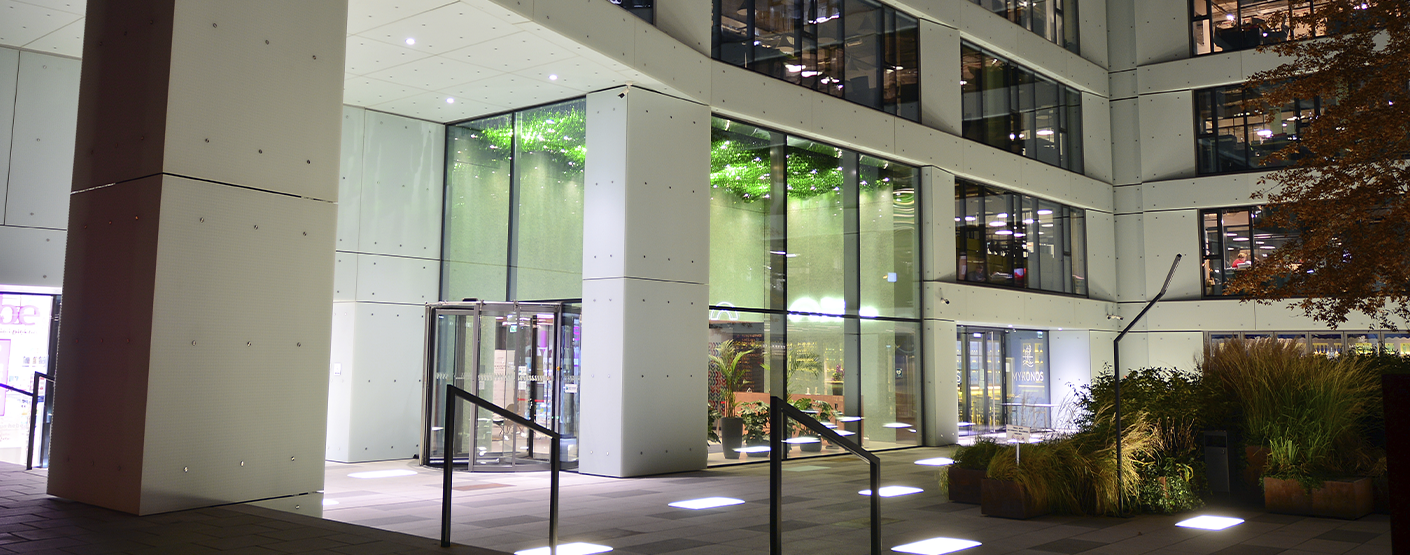
Predictive maintenance in real estate using video data
Modern real estate is complex. High-rise offices, mixed-use developments, and large residential communities rely on dozens of systems — elevators, lighting, HVAC, gates, and access points — working together every day. When even a single component fails, it can disrupt operations, inconvenience tenants, and drive up maintenance costs. Traditional, reactive maintenance approaches often catch problems too late, resulting in emergency repairs, downtime, and higher operational overhead.
AI-powered video surveillance offers a new approach. By transforming cameras into operational sensors, operators gain real-time insight into equipment performance and building conditions through real-time building monitoring. Video data becomes predictive intelligence, allowing property managers to detect anomalies early and schedule maintenance proactively.
Why real estate maintenance is high-risk
Buildings generate vast volumes of operational data, but legacy monitoring systems are often fragmented. Many properties still rely on manual oversight, siloed CCTV, and reactive service schedules. This leaves operators blind to early signs of equipment degradation, operational inefficiencies, or safety risks. Minor issues — doors sticking, lights flickering, or repeated elevator misalignments — can escalate into significant costs if left unaddressed. For multi-building or mixed-use campuses, the challenge multiplies: multiple access points, diverse equipment, and high tenant expectations require continuous, intelligent oversight supported by facility management analytics.
How AI video data enables predictive maintenance
AI video analytics transforms traditional CCTV into a proactive monitoring system. Cameras not only record events but continuously analyze patterns in equipment and environmental behavior. By comparing real-time observations against historical baselines, AI can identify early warning signs of mechanical wear and function as an equipment anomaly detection tool.
For example, AI can detect:
- Doors or turnstiles operating slower than normal through access control monitoring, signaling potential mechanical issues.
- Flickering or failing lighting patterns in corridors or parking areas detected through CCTV analytics for buildings.
- Unusual vibrations or alignment changes in escalators, gates, or elevators.
- Recurring obstructions that may indicate operational inefficiencies or risk to equipment.
These insights allow maintenance teams to schedule interventions before failures occur, reducing emergency repairs, extending equipment life, and improving overall operational efficiency. AI-driven video monitoring integrates seamlessly with other systems, enabling holistic predictive maintenance for buildings across HVAC, lighting, security, and access control infrastructure.
TRASSIR solutions for predictive maintenance in real estate
TRASSIR offers a unified platform that combines analytical video surveillance, generating data that can be utilized for predictive maintenance insights. The system correlates video data with access control, environmental monitoring, and operational workflows, creating actionable intelligence for property managers.
Deployments across multiple regions demonstrate measurable impact. For example, at Zorlu Center in Istanbul, Turkiye, TRASSIR integrated cameras from multiple brands across the shopping mall, offices, hotel, and residential areas. Real estate video analytics monitored gates, access points, and mechanical systems, providing early alerts to operational anomalies and ensuring seamless coordination across all building functions.
In another example, the National Bank of Tajikistan deployed TRASSIR to centralize video surveillance across offices nationwide. The system monitored technological processes, access points, and staff activity, supporting not only security but also operational oversight.
By turning cameras into proactive sensors, TRASSIR can ensure early detection of equipment issues, automated alerts for anomalies, and traceable intervention logs. Properties benefit from lower maintenance costs, improved equipment uptime, and enhanced operational efficiency—without adding staff or replacing existing infrastructure, contributing to intelligent building management.
Conclusion
Predictive maintenance powered by AI video analytics transforms building management from reactive to proactive. By detecting early warning signs, enabling preemptive action, and integrating operational data across building systems, property operators can minimize downtime, reduce costs, and enhance tenant satisfaction. Intelligent video surveillance evolves into a comprehensive predictive maintenance that protects both infrastructure and occupant experience.
What's New?
All NewsTry TRASSIR For Your Business
Learn more about how TRASSIR analytic modules work! Demo mode is an opportunity to see for yourself how the system works, and also check the interface and test all the functions.Success!
We will contact you as soon as possible