




Leveraging Existing Infrastructure: Upgrading Fire Safety without Overhauling Systems
Upgrading fire safety systems is often associated with high costs, disruptive installations, and a complete overhaul of existing infrastructure. But for many facilities, there’s a smarter, more efficient approach—enhancing fire detection and response capabilities by integrating a modern video management system (VMS) with the equipment already in place.
Today’s VMS platforms, like TRASSIR, are designed to work seamlessly with existing surveillance cameras, fire sensors, and alarm systems. This means organizations can dramatically improve their situational awareness, reduce false alarms, and streamline emergency response—without replacing what already works. The key lies in intelligent integration, not hardware redundancy.
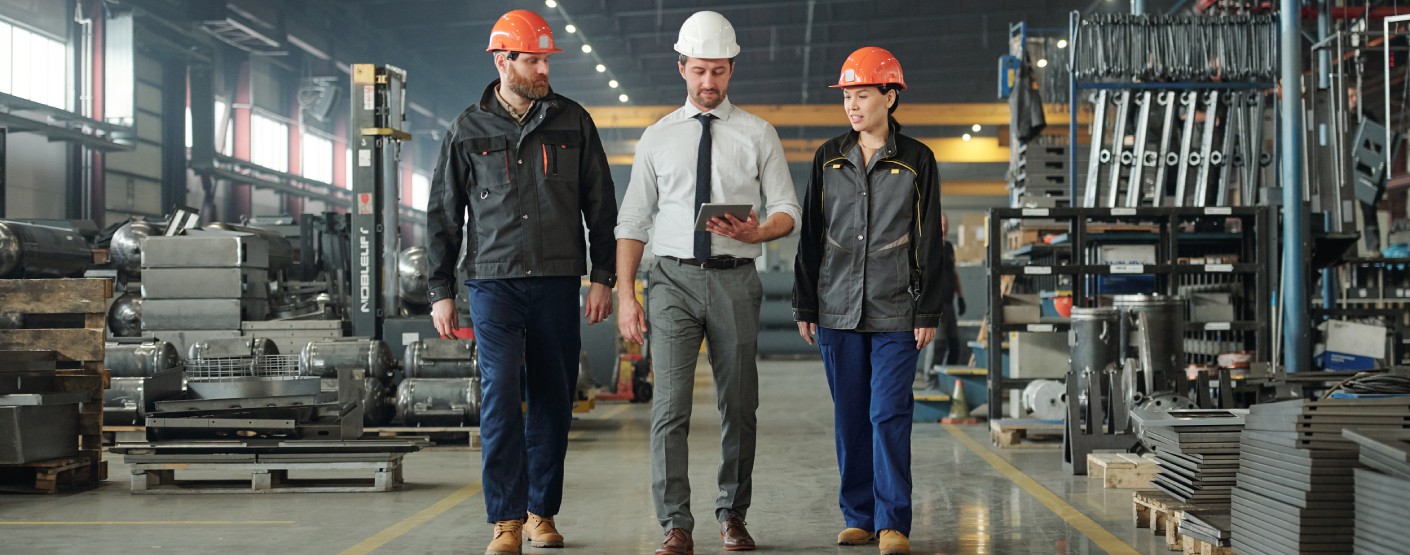
For instance, consider a medium-sized manufacturing facility relying on legacy smoke detectors and basic CCTV. By introducing a VMS that connects detectors to nearby IP cameras, the system can trigger real-time visual verification the moment a sensor is activated. Instead of relying on guesswork, operators receive immediate visual confirmation, allowing them to act faster and with more confidence. PTZ cameras can auto-focus on alert zones, while alerts with live video are sent to on-site personnel and emergency responders.
In a multi-level shopping mall, the existing infrastructure might include a mix of analog and IP cameras. A modern VMS can link those feeds to the mall’s fire alarm control panel. When smoke is detected on an upper floor, cameras auto-focus on evacuation routes, crowd movement is monitored in real time, and the system can trigger voice alerts and open emergency exits—all with minimal human intervention. Security staff monitor everything from a centralized interface, maintaining control during high-stress moments.
Even smaller sites like schools or municipal buildings can benefit. A school may lack the budget for a full upgrade but can still enhance safety by linking its fire alarms with a VMS that provides instant camera access via mobile devices. Staff can immediately assess the situation, confirm incidents, and guide evacuation more effectively—without overextending limited resources.
At the other end of the spectrum, high-security environments like data centers often have advanced fire suppression systems in place. But even here, response coordination can be improved. Integrating a VMS allows camera feeds to activate automatically when a fire sensor is triggered, isolating affected zones, locking doors, and alerting key personnel—all in real time and from one interface.
Across all these examples, the value lies in the ability to do more with what’s already there. Upgrading fire safety doesn’t have to mean starting over. With the right VMS, organizations can gain faster response, better visibility, and smarter incident management—without disruption or downtime.
Ready to see what intelligent fire safety integration could look like for your facility? Visit to learn more.
What's New?
All NewsTry TRASSIR For Your Business
Learn more about how TRASSIR analytic modules work! Demo mode is an opportunity to see for yourself how the system works, and also check the interface and test all the functions.Success!
We will contact you as soon as possible