




Facial Recognition and cybercrime: how easy is it to fool a biometric system?
We've already discussed the creation and use of Facial Recognition technology, the positive results of artificial intelligence testing, and the high efficiency rates of biometric systems. But how reliable and foolproof is this technology?
Can facial recognition systems be fooled?
It turns out they can. Some cases have garnered significant attention, and these are not the only examples of "bypassing" facial recognition systems.
Grigory Bakunov invented an algorithm that designs a unique random makeup to protect the user's face from being identified by facial recognition systems and to deceive the software. However, the developer decided not to market his product, realizing that the algorithm could be used by cybercriminals.
In Germany, Berlin-based artist Adam Harvey devised a similar algorithm called CV Dazzle. It creates clothing with special patterns (depicting eyes and mouths on the fabric) that helps avoid detection and identification by video analytics systems, thus confusing facial recognition technology.
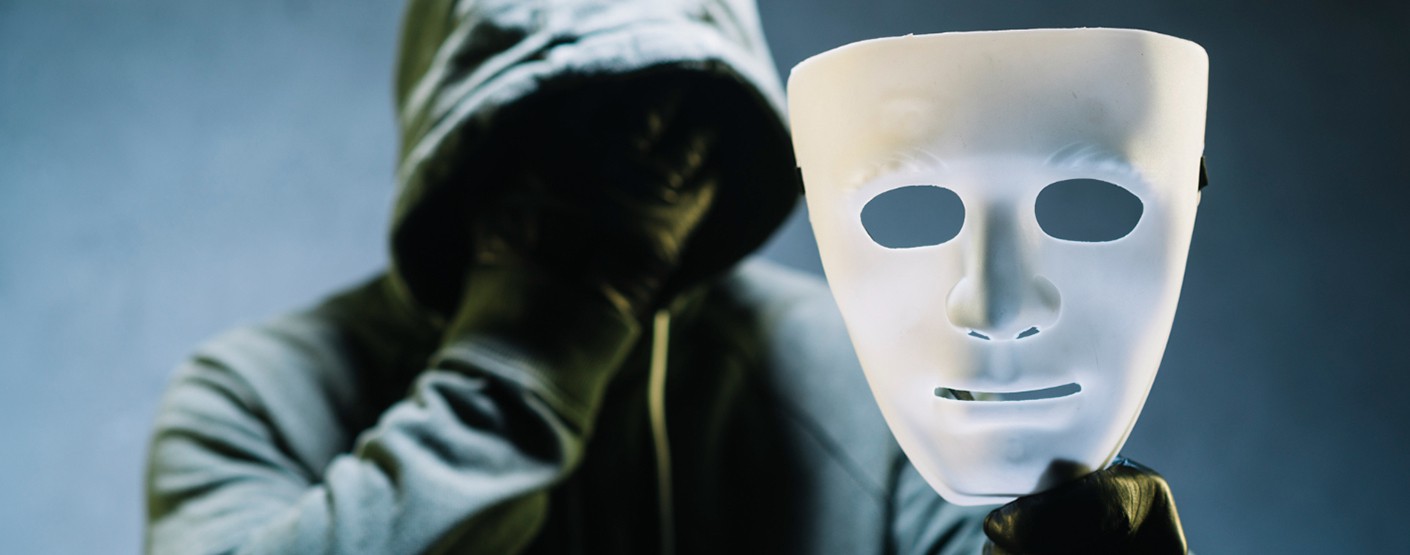
At the end of 2017, a Vietnamese company successfully used a mask to hack the Face ID facial recognition feature in Apple's iPhone X. However, this method proved too complex for mass adoption, preventing its widespread use (including for malicious purposes).
Around the same time, researchers from a German company discovered a vulnerability that allowed them to bypass Windows 10 Hello authentication simply by printing an image of a face in the infrared spectrum.
In May 2018, Forbes reported that researchers from the University of Toronto developed an algorithm that disrupts facial recognition technology by altering certain pixels in an image. These changes are imperceptible to the human eye but can confuse facial recognition algorithms.
Naturally, such a number of vulnerabilities could not go unnoticed. Currently, security experts are working on creating effective mechanisms to combat spoofing—substituting faces and deceiving biometric systems.
Solving the problem of fooling facial recognition technology
Experts identify two algorithms whose implementation would make facial recognition systems less vulnerable:
- Liveness Check: The facial recognition system must ensure that the captured image is that of a real person, not a photograph (2D), smartphone screen, tablet, or any other electronic device (2D), or a mask (3D).
- Image Consistency Check: The system must be able to determine that the facial images of two or more people have not been merged into one and used in identity documents.
Enhancing these mechanisms will be a priority for facial recognition system algorithm developers in the near future. Implementing these developments will help curb spoofing and make biometric systems more reliable.
What's New?
All News