




Elevating Security in Class A Office Buildings
Class A office buildings are renowned for their elegance and prestige, often representing the pinnacle of commercial real estate. Featuring premium finishes and cutting-edge technology, these properties set high standards that tenants expect to be met, particularly regarding security. Some tenants may prefer visible and approachable security personnel, while others might opt for a more subtle protective strategy. This is where remote security solutions can effectively address diverse needs.
Meeting Tenant Expectations
Security is a top priority for tenants in Class A buildings, as they aim to ensure the safety of their employees. Certain industries, particularly those dealing with sensitive information like finance or healthcare, demand enhanced security measures to protect intellectual property and confidential data. Consequently, expectations for security provisions are elevated in these environments.
Implementing Layered Security Strategies
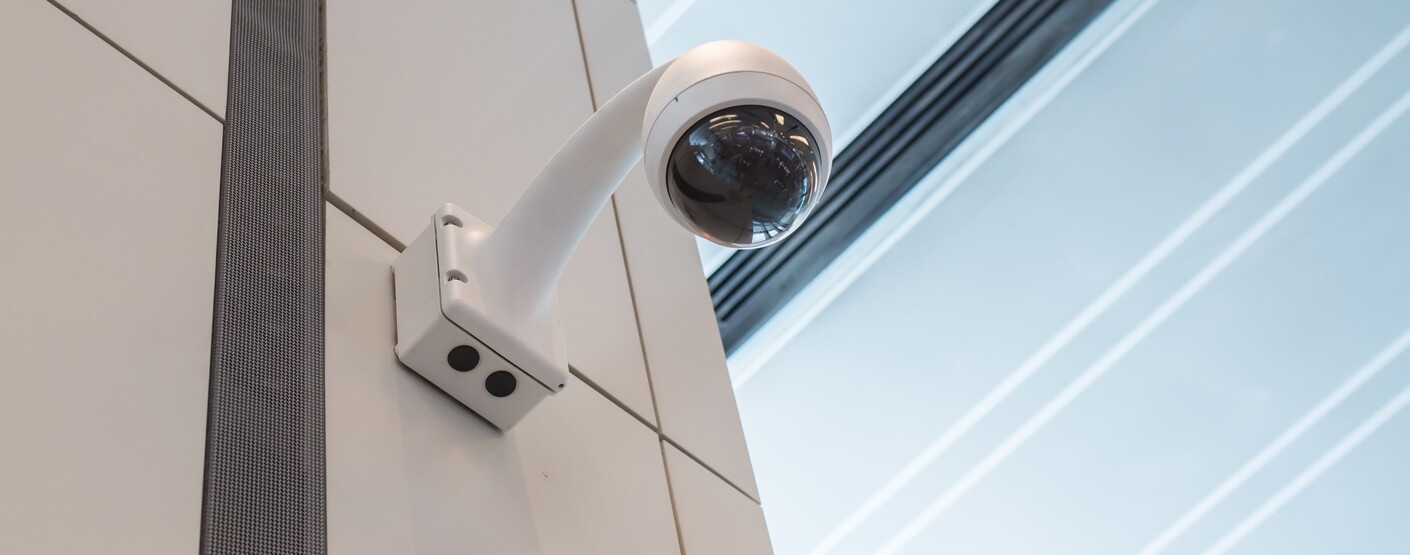
In a multi-tenant office setting, the ground floor lobby serves as the first barrier against unauthorized access. Tenants expect measures to prevent anyone without legitimate reasons from reaching the upper floors, whether they pose a security threat or not. A layered security approach ensures that if an intruder manages to slip past on-site security, their movements can still be monitored by remote guards keeping watch through surveillance cameras. The strategic placement of cameras throughout the premises makes it highly unlikely for anyone to evade detection entirely.
Advantages of Remote Guarding Solutions
While on-site security personnel play a vital role in access control, remotely monitored cameras can significantly enhance security efforts. Tenants may prefer not to have guards roaming the hallways or even within their office suites, making discreet camera placements an appealing alternative. These cameras can be installed to cover hallways, stairwells, elevators, and other shared spaces, ensuring that there are no areas within the building where tenants, their guests, or employees feel vulnerable.
What's New?
All News