




AI video analytics for seasonal retail traffic planning
Turning visitor-flow data into better seasonal planning
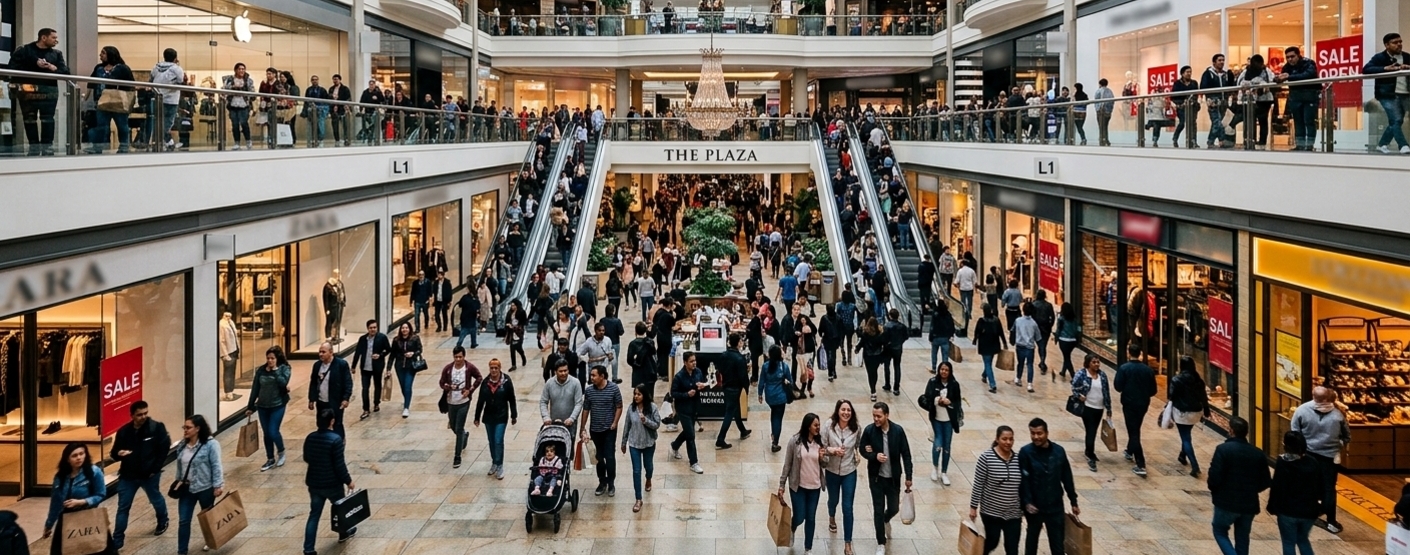
Retail traffic rarely stays constant throughout the year. Holidays, back-to-school periods, seasonal demand, promotional campaigns, weekends, special and local events can all create significant changes in visitor volumes, putting additional pressure on entrances, sales areas, checkout zones, parking facilities, and security teams.
The global retail sector is highly seasonal, with consumer demand shifting throughout the year as shopping occasions, weather, promotions, and local events influence when and where people shop. For retailers operating multiple locations, these fluctuations can make it difficult to plan resources based on assumptions alone.
The challenge is not simply preparing for busy periods. It is understanding when traffic increases, where visitors concentrate, and how patterns differ between locations and seasons — so staffing, security coverage, and daily operations can be planned around actual demand. Retail traffic analytics can provide a more reliable way to understand all these changes.
Why seasonal traffic is difficult to predict
Retail traffic can change significantly fr om one period to another. A shopping center may see increased visitor numbers during major holidays or promotional campaigns, while a supermarket may experience its busiest periods before specific celebrations or seasonal events. A home and garden retailer can face a very different pattern during the spring planting season, while stores near schools may see a sharp increase in activity before the new academic year.
These peaks also affect different parts of a retail facility in different ways. Entrances and parking areas may become busy before sales floors reach their highest occupancy, while checkout zones can experience pressure later in the customer journey.
Without reliable traffic data, retail parking lot monitoring, and a vehicle counting system, planning often depends on historical assumptions or manual observations. This can make it harder to determine where additional staff or security coverage is needed, when queues are likely to form, or how resources should be distributed between locations.
For multi-site retailers, the challenge becomes even greater: each store can have its own seasonal patterns, making a one-size-fits-all approach less effective.
How AI video analytics supports traffic planning
AI-powered video analytics can provide retailers with a clearer picture of how people and vehicles move through their locations. With an automatic vehicle and people counting system, retailers can compare traffic across different days, time periods, and locations. Over time, retail footfall analytics can reveal recurring peaks, quieter periods, and changes associated with promotions or seasonal campaigns.
This information can support practical decisions such as:
• Planning staffing levels around high-traffic periods
• Adjusting security coverage across busy areas
• Monitoring visitor volumes at entrances and key zones
• Comparing traffic patterns between stores
• Evaluating changes in visitor activity during campaigns
• Using historical foot traffic data to improve planning for future seasonal peaks
The value lies in giving retail teams a factual basis for decisions that might otherwise rely on estimates. Instead of treating every busy period in the same way, operators can use actual traffic patterns to understand where attention and resources are most needed.
TRASSIR solutions for retail traffic monitoring
TRASSIR provides the technological core for AI-powered video surveillance, combining professional video management with analytics designed for specific retail operations.
TRASSIR Neuro Counter automatically counts people and vehicles entering or leaving defined areas or crossing virtual lines. Reports can be generated for selected periods, making it possible to compare traffic levels and identify recurring patterns over time. Queue Detector can help monitor checkout queues, while Neuro Detector supports security and access monitoring around stores and parking areas.
A practical example comes from Pazartürk Market in Başakşehir, Istanbul, a large semi-open marketplace with infrastructure for 1,100 vehicles and high visitor volumes. Operating twice a week, the market experiences significant fluctuations in both visitor and vehicle traffic.
TRASSIR deployed a large-scale video surveillance system with cameras, NeuroStation servers, Neuro Detector, and Neuro Counter. Neuro Counter automatically measured visitor and vehicle flows in designated areas and generated regular reports, giving management greater visibility into how the facility was being used.
The project shows how video analytics can provide useful operational data alongside security monitoring — helping large retail and marketplace environments better understand visitor and vehicle flows and build a stronger foundation for seasonal retail planning.
From seasonal peaks to smarter retail operations
Seasonal planning becomes more effective when it is supported by real data from the locations being managed. By combining video surveillance with AI-powered counting and analytics, retailers can identify traffic patterns, compare different periods and locations, and better prepare security and operational resources for periods of increased demand.
For retail projects with changing visitor volumes, this creates a practical way to get more value from existing video infrastructure while building a stronger foundation for future operational planning.
What's New?
All NewsTry TRASSIR For Your Business
Learn more about how TRASSIR analytic modules work! Demo mode is an opportunity to see for yourself how the system works, and also check the interface and test all the functions.Success!
We will contact you as soon as possible